Morris Siding Contractor Providing Energy-Efficient Home Exterior Installations
Wiki Article
The Crucial Guide to the Different Sorts Of Siding and Their One-of-a-kind Benefits
In the realm of home renovation, selecting the best home siding is a critical choice that influences both visual allure and functional performance. With so many options to think about, which siding material really stands out for your details project?Wood Exterior Siding
Wood exterior siding, a popular option for domestic exteriors, provides a timeless aesthetic that incorporates all-natural beauty with structural honesty. This exterior siding material is readily available in various designs, including clapboard, tiles, and board-and-batten, allowing property owners to personalize their appearance to match their design choices. Wood exterior siding is generally crafted from sturdy varieties such as cedar, redwood, or want, which are known for their durability and ability to endure ecological stress factors.Among the main advantages of wood siding is its outstanding insulation buildings, which can add to power efficiency and lower heating costs. In addition, wood exterior siding is biodegradable, making it an eco-friendly option when sourced sustainably. Normal maintenance, including painting or staining, can extend its life-span and enhance its look, allowing house owners to preserve the all-natural charm of the wood.
Nonetheless, possible drawbacks include vulnerability to pests, rot, and weather damage, requiring adequate therapy and upkeep - morris siding contractor. In spite of these worries, when effectively taken care of, wood house siding can provide a lovely and durable solution that enhances the character of a home while offering a warm, inviting ambience
Vinyl House Siding
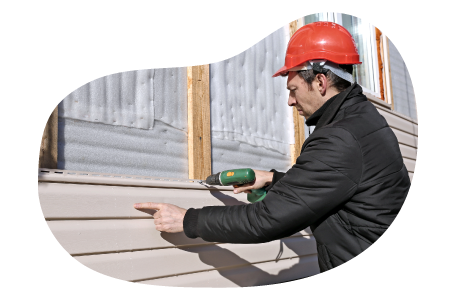
Vinyl exterior siding has emerged as a leading option for homeowners looking for a low-maintenance outside choice that incorporates resilience and affordability. This flexible product is crafted from polyvinyl chloride (PVC), making it resistant to numerous climate condition, consisting of moisture and UV rays. As an outcome, vinyl siding does not warp, rot, or fade, making certain lasting visual charm.One of the main benefits of plastic siding is its extensive variety of shades and designs, allowing property owners to attain the preferred appearance for their property without the need for regular repainting. Additionally, vinyl siding is easy to mount, which can considerably reduce labor prices during building or remodelling projects.
Vinyl exterior siding also adds to power performance. Many choices attribute insulation support, which enhances thermal efficiency, assisting to preserve comfy indoor temperatures and possibly lowering energy expenses. Additionally, its smooth surface area helps with easy cleaning, requiring only routine cleaning with a garden hose to remove dust and debris.
Fiber Cement House Siding
Fiber cement house siding has actually gained traction amongst home owners and builders alike as a result of its exceptional combination of durability and aesthetic convenience. Made up of a blend of concrete, sand, and cellulose fibers, this house siding option is crafted to hold up against severe climate problems, including high winds, heavy rain, and temperature level changes, making it a resilient selection for domestic exteriors.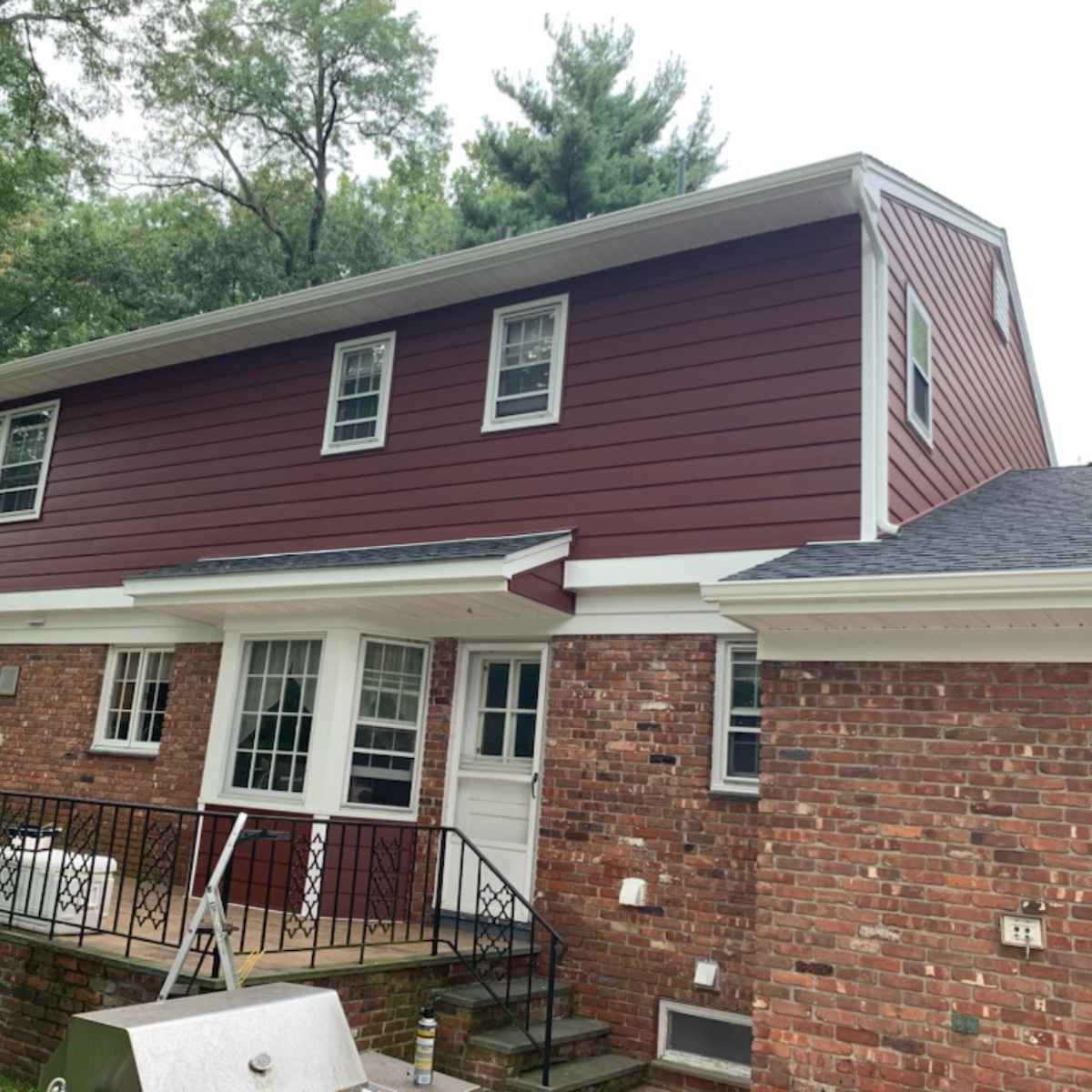
Among the key benefits of fiber cement siding is its resistance to insects, such as termites, and its non-combustible nature, offering boosted fire safety. morris siding contractor. Additionally, it is available in a wide array of appearances, colors, and styles, permitting homeowners to attain their desired visual without giving up performance
Another benefit is its reduced upkeep demands; fiber cement house siding typically needs paint or staining every 5-10 years, which is less frequent than various other materials. Moreover, its longevity contributes to a reduced overall expense of ownership, as it lowers the demand for frequent repairs or substitutes.
Eventually, fiber cement exterior siding stands for a superb investment for those looking for a resistant, eye-catching, and flexible exterior option, combining both type and feature to boost the home's curb allure.
Steel Siding
The attraction of steel exterior siding depends on its durable sturdiness and modern-day aesthetic charm, making it a popular choice for contemporary design. Available in products such as aluminum and steel, metal siding uses a series of Going Here finishes and shades, enabling homeowners to achieve a personalized appearance that enhances their layout vision.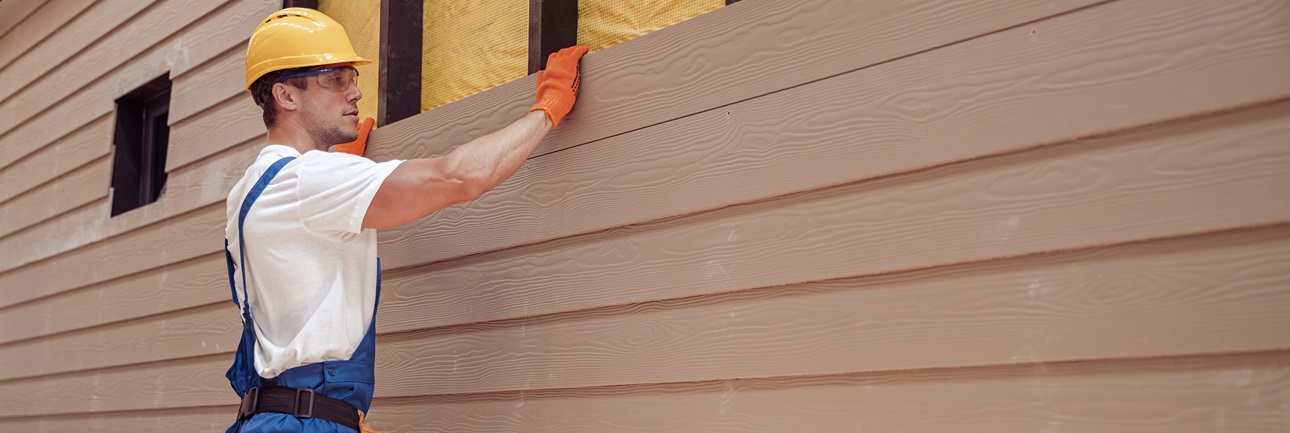
Energy effectiveness is one more significant benefit, as several metal house siding items are designed with insulation options that assist control interior temperatures. This can cause decreased power costs gradually. In addition, steel siding is commonly recyclable, making it an eco-friendly option for sustainability-minded house owners.
The installation procedure for steel see here now exterior siding can be reasonably simple, resulting in a quicker turn-around time for construction projects. Overall, steel exterior siding incorporates functionality and style, making it a sensible alternative for those seeking a aesthetically enticing and long-lasting outside finish.
Brick and Rock Exterior Siding
Block and stone home siding attracts attention as a classic option that boosts the aesthetic appeal of any kind of home. Recognized for their durability and low maintenance, these products give a remarkable roi while raising the property's curb allure. Readily available in different shades, textures, and patterns, block and stone can be tailored to fit varied architectural designs, from standard to modern.Among the main advantages of block and rock house siding is their energy efficiency. Both materials possess all-natural insulating buildings that help control interior temperature levels, possibly reducing home heating and air conditioning prices. In addition, they use superior fire resistance contrasted to various other house siding choices, contributing to improved security.
An additional benefit is their long life. Block and stone can last for decades, frequently calling for very little maintenance past occasional cleansing. Unlike wood house siding, they are unsusceptible pests and rot, making sure a lasting exterior that endures the elements.
Conclusion
In recap, the option of exterior siding considerably impacts a home's aesthetic allure, energy effectiveness, and maintenance needs. Each type of exterior siding-- whether timber, plastic, fiber concrete, steel, or block and rock-- offers distinct benefits customized to different home owner choices and environmental problems. Comprehending these choices makes it possible for educated choices that improve both the resilience and visual charm of residential outsides. Inevitably, choosing the ideal home siding is vital for attaining a balance in between functionality and design in property design.One of the key advantages of wood siding is its superb insulation This Site homes, which can contribute to energy effectiveness and lower heating costs. Furthermore, wood home siding is naturally degradable, making it an eco friendly option when sourced sustainably.One of the key benefits of steel home siding is its resistance to different environmental aspects.Power efficiency is an additional significant benefit, as several metal house siding products are developed with insulation choices that help manage interior temperatures. Each kind of exterior siding-- whether timber, plastic, fiber block, steel, or concrete and stone-- provides unique advantages tailored to various homeowner choices and environmental problems.
Report this wiki page